

Back pain remains one of the most common reasons patients seek chiropractic care. While disc herniation, facet joint dysfunction, and muscular strain are frequently discussed, there is a lesser-known but clinically significant condition that often goes underdiagnosed: back mice, also known as episacral lipomas. For chiropractors, understanding this condition can dramatically improve diagnostic accuracy and patient outcomes.
Back mice are small, firm, and often painful nodules of fatty tissue that protrude through the thoracolumbar fascia, most commonly in the lower back near the posterior iliac crest. Because their symptoms often mimic more serious spinal conditions, they are frequently misidentified or overlooked altogether. Below are the top seven essential things chiropractors should know about back mice to enhance assessment, treatment, and patient education.
1. Back Mice Demystified: Separating Medical Facts from Assumptions
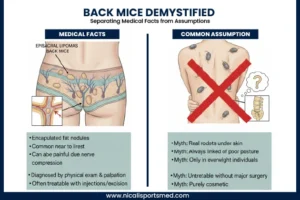
Episacral lipomas are benign fatty nodules that become symptomatic when trapped or irritated by surrounding fascia and nerves. They are not tumors, cysts, or malignant growths. However, due to their firm texture and pain referral patterns, they are sometimes mistaken for trigger points, fibromyalgia nodules, or even spinal pathology.
What sets back mice apart is their mobility under the skin and the reproduction of localized or referred pain upon palpation. Understanding this distinction is key to avoiding unnecessary imaging or referrals and helps chiropractors confidently explain the condition to patients.
2. Why Back Mice Are Frequently Misdiagnosed
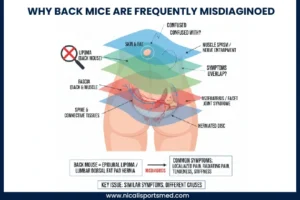
One of the biggest challenges with back mice is that their symptoms often mimic sciatica, sacroiliac joint dysfunction, or disc-related pain. Patients may report sharp, aching, or radiating pain that worsens with movement or prolonged standing.
Standard imaging, such as X-rays and MRIs, may appear normal, leading to frustration for both patient and provider. Chiropractors who rely heavily on hands-on assessment. Palpation, motion testing, and patient feedback. Nicali Sports Medicine is uniquely positioned to identify episacral lipomas when other diagnostic tools fall short.
3. Common Causes and Risk Factors
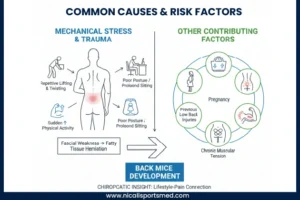
Back mice often develop due to repetitive mechanical stress, trauma, poor posture, or sudden increases in physical activity. Occupations involving lifting, twisting, or prolonged sitting can contribute to fascial weakness, allowing fatty tissue to herniate.
Other contributing factors may include:
- Rapid weight changes
- Pregnancy
- Previous low back injuries
- Chronic muscular tension
Recognizing these risk factors helps chiropractors connect the dots between a patient’s lifestyle and their pain presentation.
4. Clinical Examination and Palpation Techniques
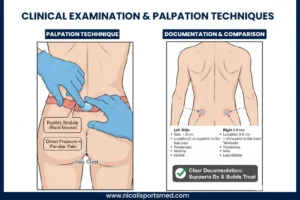
A thorough hands-on examination is essential. Back mice are typically found just above the iliac crest and feel like small, rubbery nodules that move slightly under the skin. Direct pressure often reproduces the patient’s familiar pain pattern, which can be a strong diagnostic indicator.
Chiropractors should document size, location, tenderness, and mobility while comparing both sides of the lumbar region. Clear documentation not only supports clinical decision-making but also builds patient trust and confidence in the diagnosis.
5. Conservative Chiropractic Management Approaches
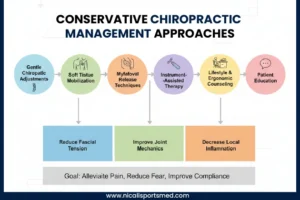
Treatment for back mice should always be conservative and patient-centered. Many patients respond well to a combination of:
- Gentle chiropractic adjustments
- Soft tissue mobilization
- Myofascial release techniques
- Instrument-assisted therapy
- Lifestyle and ergonomic counseling
The goal is to reduce fascial tension, improve joint mechanics, and decrease local inflammation. Patient education is equally important. Explaining that back mice are benign and manageable often reduces fear and improves compliance.
6. When Back Mice Coexist With Other Spinal Conditions
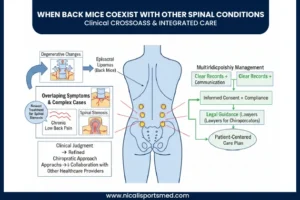
In many cases, episacral lipomas do not exist in isolation. Patients may also be managing degenerative changes, chronic low back pain, or more complex spinal issues. This is where clinical judgment becomes critical.
After the midpoint of patient care planning, chiropractors may encounter cases where symptoms overlap with conditions requiring broader management strategies, including the newest treatment for spinal stenosis. Understanding how back mice can amplify pain signals in these patients allows chiropractors to refine their approach, avoid overtreatment, and collaborate effectively with other healthcare providers when needed.
In multidisciplinary environments, clear records and professional communication are essential. Some chiropractors also seek guidance from lawyers for chiropractors to ensure proper documentation, informed consent, and compliance when managing complex or chronic pain cases involving multiple diagnoses.
7. Patient Communication, Ethics, and Professional Responsibility
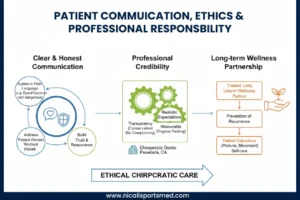
Clear, honest communication is a cornerstone of ethical chiropractic care. Patients often arrive worried that their pain indicates something serious. Explaining episacral lipomas in plain language. While emphasizing their non-dangerous nature, it can be incredibly reassuring.
For practitioners operating in competitive healthcare markets, such as a chiropractic doctor in Pasadena CA, professional credibility is built through transparency, conservative care, and measurable outcomes. Avoid overpromising results and instead focus on realistic expectations, progress tracking, and patient empowerment.
Educating patients on posture, movement habits, and self-care strategies helps prevent recurrence and positions chiropractors as trusted long-term wellness partners rather than short-term pain fixers.
Final Thoughts
Back mice may be small, but their impact on patient comfort and quality of life can be significant. For chiropractors, recognizing episacral lipomas can mean the difference between ongoing unresolved pain and meaningful relief. By sharpening diagnostic skills, applying thoughtful conservative care, and maintaining clear communication, chiropractors can confidently address this often-overlooked condition.
As the profession continues to evolve, staying informed about conditions like back mice. How they intersect with broader spinal health. Ensures chiropractors remain effective, ethical, and patient-focused in their practice.
FAQs
1. Are Back Mice Dangerous or a Benign Back Mouse Condition?
Back mice are benign, meaning they are not cancerous or life-threatening. While they can cause noticeable discomfort or sharp pain, they do not damage the spine or nerves directly. The main issue is irritation of surrounding tissues. With proper evaluation and conservative care, most people experience significant relief without invasive treatment.
2. How Can You Identify Back Mice vs Muscle Knots or Spinal Issues?
Back mice usually feel like small, soft lumps under the skin that can move slightly when pressed. Muscle knots tend to feel tighter and less mobile, while spinal issues often cause stiffness, nerve symptoms, or limited movement. A physical exam by an experienced provider can usually tell the difference without imaging.
3. Can a Chiropractor Treat Back Mice and Episacral Lipomas Safely?
Yes, chiropractors can treat back mice safely using non-invasive methods. Care typically focuses on reducing tension in the surrounding tissues and improving movement. Clinics like Nicali Sports Medicine emphasize conservative approaches that support healing without surgery or medications.
4. Can Back Mice Come Back After Successful Treatment?
Back mice can return if the factors that caused them. Such as repetitive strain, poor posture, or weak core support remain unaddressed. Long-term improvement is more likely when treatment is combined with posture awareness, movement correction, and simple strengthening exercises tailored to the patient.
5. Can Manual Therapy Reduce Pain From Episacral Lipomas?
Manual therapy can be very effective in reducing discomfort associated with episacral lipomas. Gentle soft-tissue techniques help ease fascial tension and calm irritated areas. This approach is commonly used in settings known for offering some of the best chiro treatments, especially for patients seeking natural pain relief.
6. Are Back Mice Linked to Other Spinal or Fascia-Related Conditions?
Back mice can exist on their own, but they sometimes appear alongside other issues like lower back strain or fascial tightness. While they are not caused by spinal disease, they can make existing back pain feel worse. A thorough assessment helps ensure all contributing factors are addressed together.